
The Grant Is the Easy Part: Deploying Municipal EV Charging That Lasts
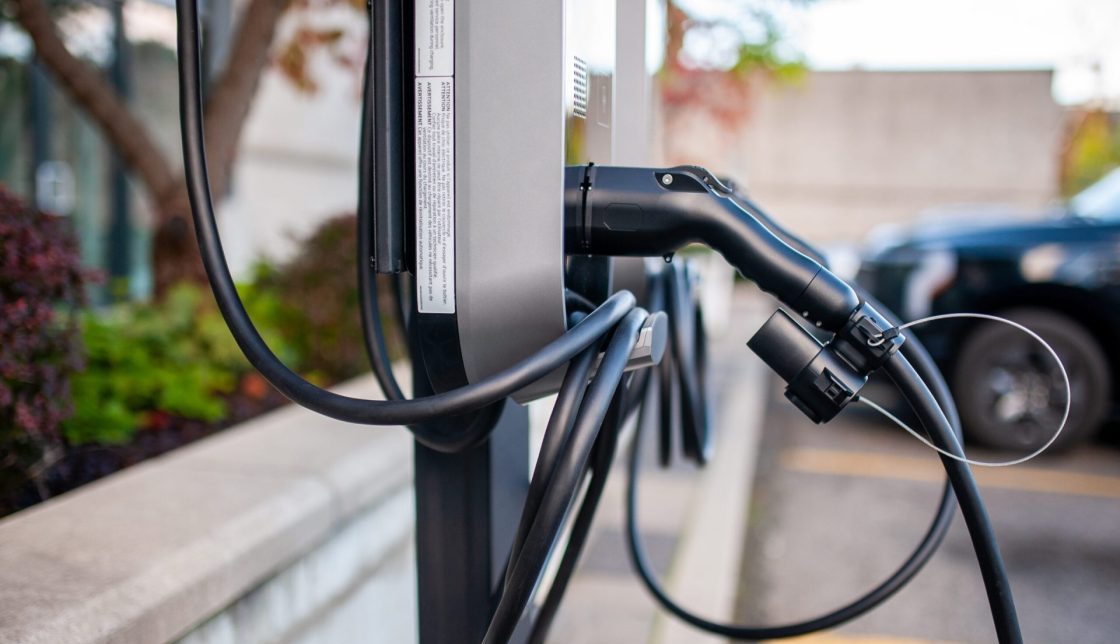
A surprising share of SWTCH’s municipal work these days isn’t around installing new chargers. Rather, it’s in projects to pull out old ones. Often, these are units put in five or eight years ago that were never fully planned for or actively managed, and which may not have earned much in charging revenue and now sit unused.
That pattern is the backdrop to an important question that came up in our recent webinar on municipal EV charging, co-hosted with the national group-purchasing organization Kinetic GPO. A town wins a grant, celebrates, and then stalls because there’s a lack of clarity around what should come next.
Winning the funding is an important milestone, but turning it into infrastructure that still works in five years is the part that decides whether the money was well spent.
Here is what that second job actually involves.
Missed the webinar? Have a watch!
Municipal EV charging isn’t like most other charging setups
Most charging projects serve a single kind of user. A condo serves a property’s residents. A retail plaza serves customers who stay for an hour or so. A delivery depot serves a fleet that comes in to charge at night. A municipality often serves all of these kinds of drivers at once, often on the same site and across dozens of sites at the same time.
That means municipal charging programs are doing three jobs at once, and typically across a variety of locations. A town might operate public chargers for residents and visitors, fleet chargers for municipal vehicles like waste trucks and bylaw cars, and private or access-controlled chargers reserved for staff or tucked behind a gated yard. And, for each group to serve its function well, the network typically needs to establish different rules about who can plug in at which chargers, what they pay, and when access is permitted. A home install never has to think about any of this. A single commercial site rarely juggles more than one of them.
This is the root of most of the complications further down the road. Across deployments with the cities of Regina, Markham, Vancouver and Brantford, plus towns like Innisfil, the consistent lesson is that municipal charging carries the demands of public, fleet and private charging together, and then adds the scrutiny that comes with spending taxpayer money against grant deadlines. The use case is simply more complex than the residential or single-commercial norm, and planning that ignores this complexity is planning that will likely need to be redone.
Hardware is Easy. Planning is What Matters Most
When a project rushes from grant to ground, it’s the planning phase that tends to get skipped, and that’s where a deployment is actually set up for success. This is where you determine where best to put chargers for them to be genuinely used, how to work within the electrical capacity the property already has, and how to wire things up for the fleet you’ll run in 2030 (or beyond) rather than just the one you have today. Those calls should be made in a conversation between your team, the installers, and the EV charging solutions provider you’re working with before anything is ordered.
But what might be surprising for most municipalities is that the hardware is the easy part. Really, an EV charger is not far from a fancy electrical outlet. What makes municipal EV charging more complex is everything around it, and nearly all of it has to do with software.
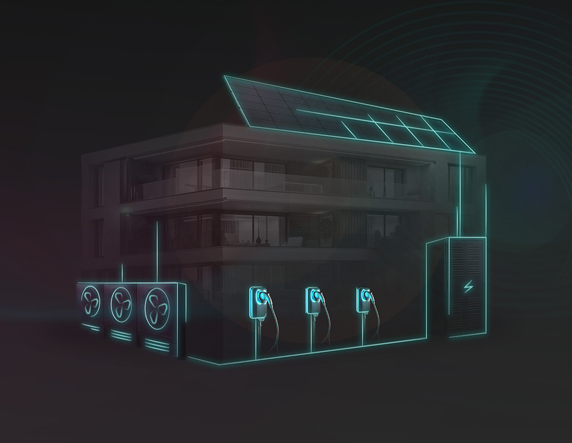
In municipal installations, EV chargers have to be able to enforce who can charge and when across public, fleet and staff users, collect and remit revenue, share a fixed electrical supply so a full row of chargers can run without triggering a costly upgrade, move idle cars along so spaces keep turning over, and flag a fault the moment it happens, ideally fixing it before a driver ever notices. That is the work a bare outlet can’t do, and it’s why intelligent load management and a single dashboard like the SWTCH Portal matter more than the brand stamped on the pedestal.
The other reason older chargers get ripped out is lock-in. When one company controls and locks you to their charger, software and network together, you’re stuck following their pricing and their roadmap, the way phones were once welded to a single carrier, and the only way out is to tear the hardware out. Open standards avoid that: Open Charge Point Protocol (OCPP) keeps the charger and network separable so you can change providers without abandoning what you paid for, and Open Charge Point Interface (OCPI) lets a single card or app work across networks.
The test before you sign is simple: ask what leaving looks like. If the answer is expensive, there’s a good chance it’s because of lock-in.
What Good Municipal EV Charging Looks Like
Two SWTCH deployments show the difference planning makes.
Halifax Regional Municipality, which covers roughly 5,400 square kilometres, built strategically placed charging hubs to close a gap in public charging. Each hub pairs a Level 3 DC fast charger with surrounding Level 2 pedestals, combining quick top-ups for longer trips with slower charging for everyday use. It is a municipality choosing to lead rather than wait, and it went a step further by moving its own fleet onto SWTCH as well.
The Town of Innisfil, Ontario took a fleet-first path. It started at its waste-management and wastewater-treatment sites with dual-mounted pedestals future-proofed to double as the fleet grows, then added public DC fast chargers in partnership with its municipally owned utility, InPower, funded through NRCan’s ZEVIP program. The town electrified its own operations while giving residents fast charging they didn’t have before.
And, crucially, both projects’ chargers are highly reliable. Across its full network, SWTCH reports charger uptime around 97.5 per cent and network uptime around 99.7 per cent, backed by proactive, AI-assisted monitoring every day of the year. That monitoring is what lets a problem get caught and fixed before a driver ever pulls up to a dead stall.
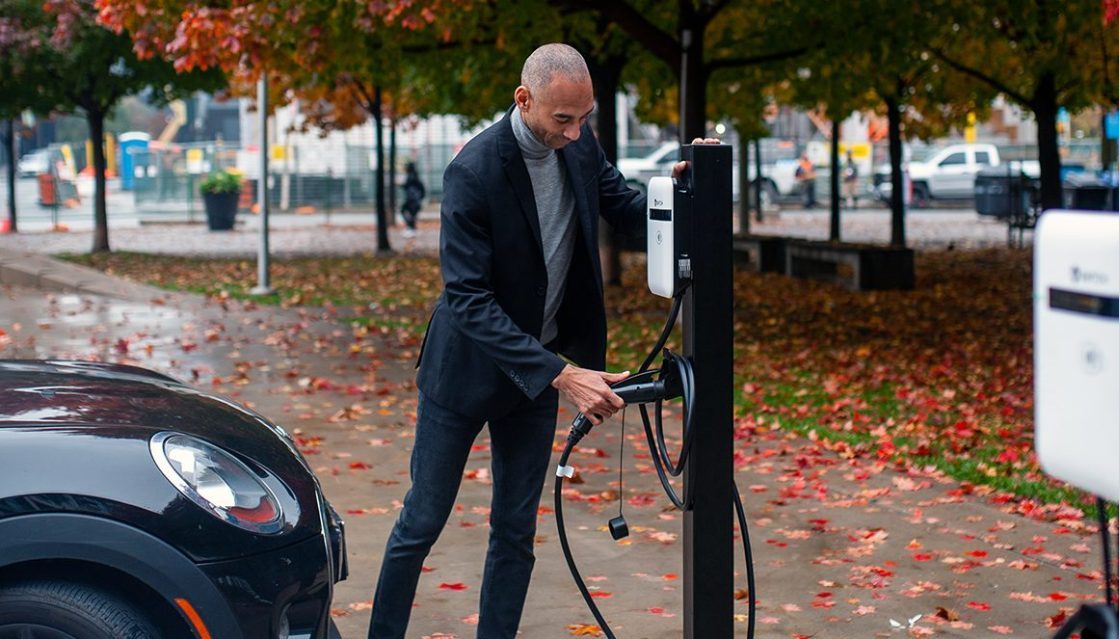
The municipalities getting EV charging right treat it as managed infrastructure, not a one-time hardware purchase.
Four things separate deployments that last from ones that get torn out:
- Planning for the site’s real capacity and future
- Choosing open standards so you are never locked in
- Running chargers on software that handles access and revenue
- Monitoring them so they keep working.
Procurement is the other place funded projects stall, since grants come with deadlines and a full in-house RFP can blow the window. And that is where Kinetic GPO comes in: its standing-offer contract with SWTCH (RFSO 2507) lets a municipality engage a vetted supplier without running its own solicitation, fast enough to spend the funding before it lapses. SWTCH was also issued awarded a National Master Standing Offer (NMSO) by Public Services and Procurement Canada (PSPC), meaning federal departments, agencies and Crown corporations, as well as participating provincial and municipal governments across Canada, can also take advantage of a simpler adoption process with SWTCH.
Winning a grant for EV charging gets you to the starting line. What you do next decides whether it is still working, and still earning, in five years.
Ready to put your municipality ahead of the pack with EV charging?
Contact SWTCH today to start building the plan you need!