Hotel EV Charging Without the CapEx: How Independents Can Afford to Compete

EV charging has become a necessity in hospitality, and as is often the case with big shifts in the industry, it’s the top players that are leading the way.
In 2023, Hilton announced that it would be deploying 20,000 chargers across 2,000 properties. Later that year, Marriott announced it would be installing chargers across 6,000 locations.
Why the rapid rollout? According to Hilton’s sustainability chief, EV charging is now their highest-converting search filter—outperforming pools, free breakfast, and on-site dining. Not offering EV charging means becoming totally invisible to the growing number of EV drivers who will not stay in locations that don’t offer a place to plug in.
For independent and boutique hotel owners, this can present a challenge. EV charging has a reputation, after all, for being expensive to install. But there is a path forward for those who want in on the charging game without the sizeable upfront capital expenditure required to get in the game.
Here’s how a combination of EV Charging-as-a-Service, advanced energy management technology, and funding programs can keep your costs low and get you in the EV charging game without delay.
Key Takeaways
- CaaS eliminates upfront costs. Instead of dropping tens of thousands for a 4–6 port installation, you pay a modest per-port monthly fee.
- Government and utility incentives can offset costs. State and utility programs can help drive down your costs with rebates.
- Advanced load management software prevents expensive electrical upgrades. Smart power distribution lets you install chargers where it might not otherwise be possible.
- The ROI is in bookings, not charging fees. EV charging is now Hilton’s highest-converting amenity, and 38% of EV drivers have switched hotel loyalty specifically for charging availability.
- The window is closing. Hilton and Marriott are scaling rapidly; properties that act now capture first-mover advantage in their local markets.
What Is EV Charging-as-a-Service?
EV charging-as-a-service is a model that shifts EV infrastructure from a capital expense to an operating expense. Instead of purchasing hardware outright—typically $1,000–$2,000 per port, depending on installation complexity—you pay a predictable monthly fee that covers equipment, installation, software, and ongoing maintenance.
What’s typically included:
- Hardware (Level 2 EV chargers, mounting equipment, signage)
- Professional installation and electrical work
- Network software for monitoring, access control, and payment processing
- Ongoing maintenance and technical support
- Software updates and load management
What does CaaS cost?
Monthly fees typically range from $100–$300 per port for Level 2 chargers, depending on contract length, electrical/install complexity, included services, and whether the provider takes a cut of revenue (SWTCH does not). Though some providers, like SWTCH, can include electrical work and other site preparation requirements in the fee, other companies do not. Request detailed pricing to understand the complete project costs over the length of your agreement.
Why CaaS Makes Sense for Independent and Boutique Hotels
The major chains have moved aggressively on EV charging—but they’ve done it by leveraging scale and negotiating power that independents don’t have. Hilton’s and Marriott’s installations, for instance, come with the benefit of bulk pricing and turnkey support that aren’t always available to a 50-room inn.
CaaS closes that gap. You get the same calibre of infrastructure without the upfront cost or the operational burden of ownership.
With the right CaaS partner, you’ll get:
- Pricing control (set your own rates for guests vs. public users)
- The revenue from charging sessions
- Flexibility to offer free charging as a loyalty perk for direct bookings
- Ongoing maintenance and operational support
Not all CaaS models offer these, so vet your provider carefully.
Keep all your chargers’ revenue with SWTCH’s charging-as-a-service offering
How Advanced Energy Management Solves Infrastructure Costs
One of the most common budget-breakers in EV charger installation isn’t the chargers themselves, but rather the hardware and labor costs associated with upgrading electrical infrastructure. Upgrading the electrical panel, for example, could cost $10,000 to $20,000 or more all on its own. While CaaS programs might bundle these expenses into your monthly fee, you still end up paying for them over the life of the contract.
The solution to keeping these costs down—or off your bill entirely—is advanced energy management technology.
How energy management technology works
Standard installations place each charger on its own dedicated circuit, drawing maximum power regardless of how many cars are plugged in. In a busy hotel environment, this quickly maxes out your building’s electrical capacity and triggers massive utility demand-spike charges.
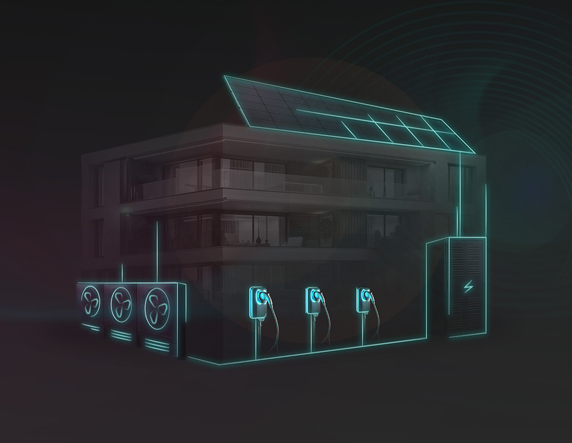
With advanced energy management technology like you see with SWTCH Cortex, available power in your facility is distributed across active chargers based on each vehicle’s need. And when the building’s overall energy consumption is high, power delivery to vehicles is reduced or even turned off.
This lets you install more chargers on your existing electrical infrastructure than would otherwise be possible, avoid expensive electrical upgrades, and prevent demand spike costs from being incurred.
Paired with CaaS, it’s a powerful tool to help you offer a great charging experience for far less money than would otherwise be possible.
Using Incentives to Reduce Your Costs Further
An underappreciated aspect of EV CaaS installations is that they are usually eligible for the exact same incentive and rebate programs that traditional EV charging projects can make use of.
Depending on location, state, utility, and federal programs can significantly offset costs, sometimes to the tune of 90% or more.
When evaluating EV CaaS providers, be sure to discuss how they can support your applications for any relevant programs. Leaders in this space, like SWTCH, have secured millions in funding across North America, and will be well-positioned to help you navigate application processes and put together a compelling package that secures funding.
Contact SWTCH to discuss incentive programs for your property
What to Look for in a CaaS Partner
Not all CaaS agreements are structured the same way, and the last thing you want is to kick off a new partnership, only to discover that your new charging-as-a-service agreement doesn’t deliver what you need.
Key questions to ask:
- What’s the contract term? Typical terms range from 4–7 years. Shorter terms offer flexibility; longer terms may come with better monthly rates.
- How is revenue shared? Some providers take a percentage of charging revenue. Others charge a flat monthly fee regardless of usage. Model out both scenarios based on your expected utilization.
- How are incentive applications handled? State and utility rebates can offset 30–50% of project costs, but the paperwork can be complex. Clarify whether your provider can guide you through the application process.
- What’s included in maintenance? Charger downtime frustrates guests and costs you revenue. Confirm response time SLAs and whether parts/labor are included or billed separately.
- Is load management included? Essential for avoiding electrical upgrade costs. Should be standard, but verify.
Get Ahead on EV Charging
Major hotel chains have already moved on EV charging, and they’ve done it by taking advantage of scale and negotiating power that independents don’t have.
The combination of charging-as-a-service and advanced energy management is your best option for competing.
But the window for EV charging being seen as a differentiator is narrowing. The Hiltons and Marriots of the world are scaling their installations rapidly. To put your establishment ahead of the pack, it’s critical to act now. Many guests are already filtering their searches by charging availability. Build a strong rapport with them today, and you’ll benefit from their business for years to come.
Put your independent hotel ahead of the pack
Start planning your EV charging installation with SWTCH today!