It’s Time to Kill “Checkbox Charging”: Why Hotels With Just One or Two Chargers Run A Reputational Risk
Imagine it’s 11:30 PM. A guest pulls into your hotel parking lot after a four-hour drive. They’re tired, they have an 8:00 AM meeting the next morning, and their EV has 6% battery remaining. They booked your property specifically because your website lists “EV Charging” as an amenity.
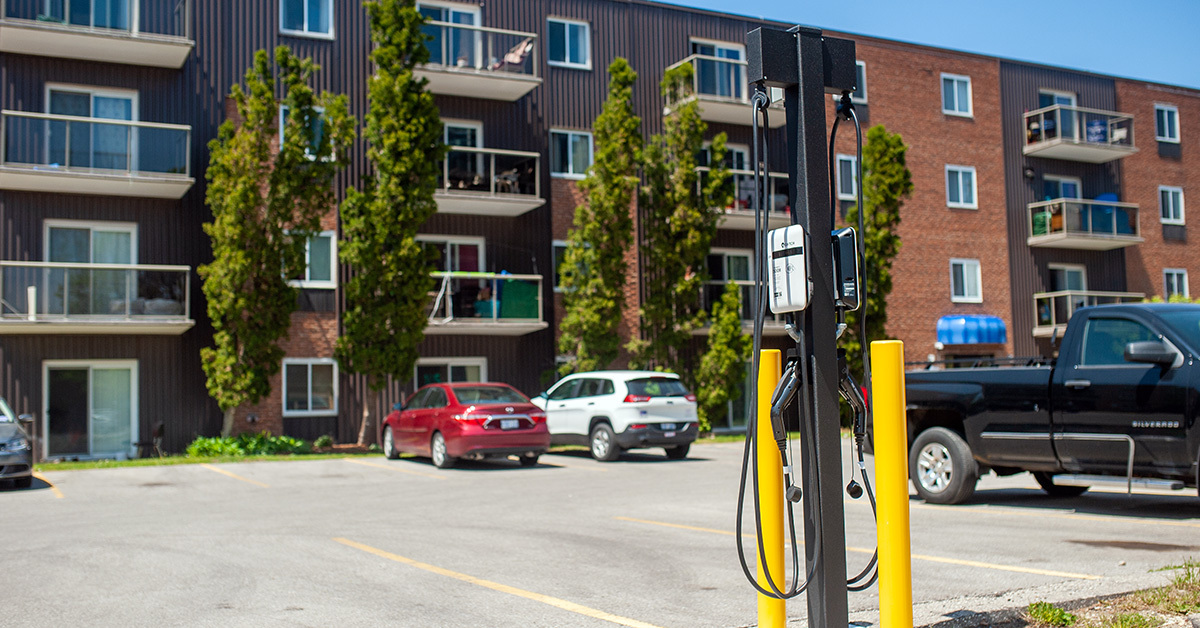
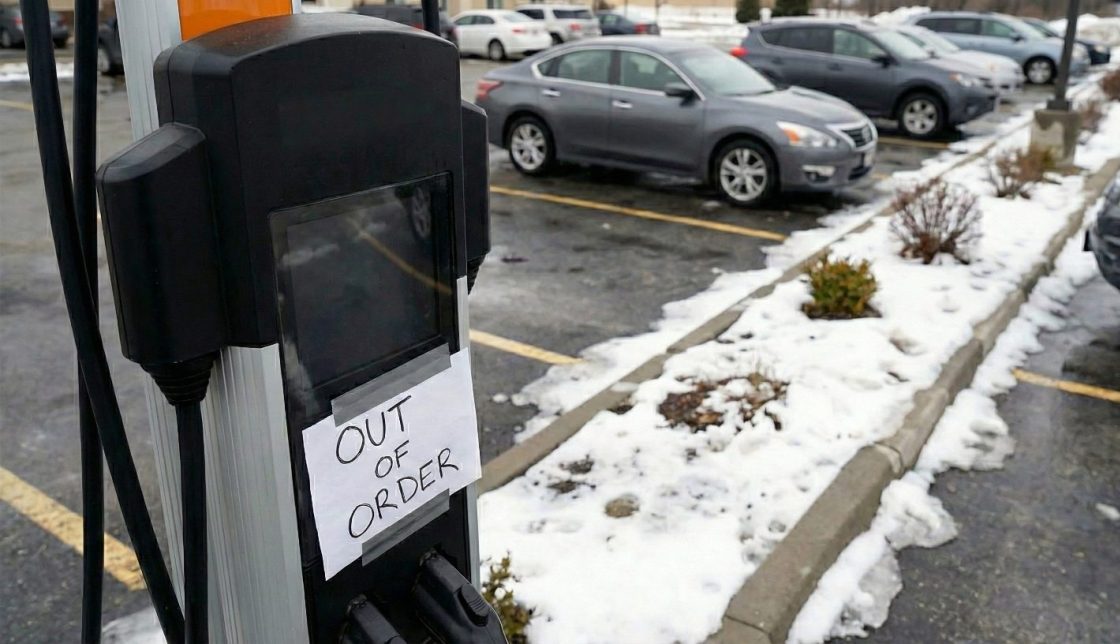
They pull up to the single charger in the lot, only to find the unit unresponsive. Or worse: the spot is occupied by a gas-powered SUV whose driver didn’t notice—or didn’t care about—the signage.
In that moment, your guest isn’t just annoyed—they’re stranded. They’re calculating whether they have enough range to find a fast charger five miles away, charge for 40 minutes, and still get enough sleep.
The problem is, for a long time, many hotels have treated EV charging like a pool or a gym: a nice-to-have perk. But when the pool is closed for maintenance, nobody gets stranded. When your only charger is down, though, you’ve created a genuine logistical crisis for your guest.
This is the danger of what we call “Checkbox Charging”—installing one or two chargers just to check a box for booking website filters. In 2026, offering a single, unmanaged charger isn’t an asset. It’s a serious reputational risk.
Key Takeaways: The Checkbox Charging Problem
- Installing one or two EV chargers to satisfy an online booking filter creates more reputational risk than having no chargers at all.
- When EV drivers filter for “EV Charging,” they’re trusting you with their mobility.
- One or two chargers that are broken, occupied, or blocked aren’t an amenity—they’re a broken promise.
- The industry standard has shifted to around six chargers per property to ensure availability and eliminate single points of failure.
Helping EV Drivers Avoid “Destination Anxiety”
A few years ago, putting a charger in the ground was a differentiator. It signalled that a hospitality brand was forward-thinking and eco-conscious.
Today, charging is becoming an expectation. More than 75% of luxury hotels offer EV charging (Responsible Stay), with economy segments rushing to catch up. But with so many more EVs on the road today, the new competitive advantage comes not from just having a charger, but from having enough chargers to guarantee availability.
If you have one charger, you have a single point of failure. Even chargers claiming to have great uptime can run into the occasional problem. And if there are even just two drivers seeking to use that charger overnight, you’re already in trouble.
For guests, this creates “Destination Anxiety.” The big worry for EV drivers these days isn’t so much that they’ll run out of power on the highway, but rather that they’ll arrive at their destination and find the infrastructure they were counting on is unavailable.
This matters. According to Hilton (via Skift), the top-converting filter for online bookings is EV charging. If a guest books a hotel specifically for the EV charging and can’t use it, that’s going to be a big knock against you when they book their next stay. Compromising a guest’s ability to get around is not a small thing.

Moving Beyond the Checkbox
What’s the solution? Really, it’s just to rethink what it means to meet the need for EV charging.
In hospitality, EV charging is often compared to WiFi, so to use that as a comparison, installing one EV charger would be like installing a single Wi-Fi router for a 100-room hotel and hoping it works out.
It won’t. With WiFi, you need a bunch of WiFi points around your property. With EV charging, you need a bank of several charging stations to meet present-day needs. You install capacity to meet demand.
The industry has already established a new baseline. When Hilton announced its expanded EV charging strategy in 2023, it committed to installing at least six chargers at each participating hotel—a minimum of 20,000 chargers across 2,000 properties. The rationale was clear: with six or more ports, the probability of all being broken or occupied simultaneously drops dramatically. It provides guests with a degree of psychological safety.
This shift from checkbox charging (1-2 ports) to infrastructure that meets demand (6+ ports) also helps you manage edge cases. If one spot is blocked by a gas vehicle but five are open, it’s a nuisance. If your only spot is blocked, it’s a crisis.
One Last Thing: Your Front Desk Should Not Be Tech or Charger Support
There’s another hidden cost to the limited-charger approach: the burden on your staff.
When that guest at 11:30 PM finds a broken charger, they walk to the front desk. Your night auditor, who is an expert in hospitality—not high-voltage electrical engineering—is now in the impossible position of troubleshooting hardware. They can’t fix it.
Equally, they can’t make a car that has finished charging move to a different spot to open up access to the charger. They can’t move the gas car blocking the spot. All they can do is apologize while the guest gets increasingly frustrated, and hopefully point them to open chargers somewhere nearby.
This is where strategy meets operations. If you’re going to deploy infrastructure, you need an operational layer that ensures it works.
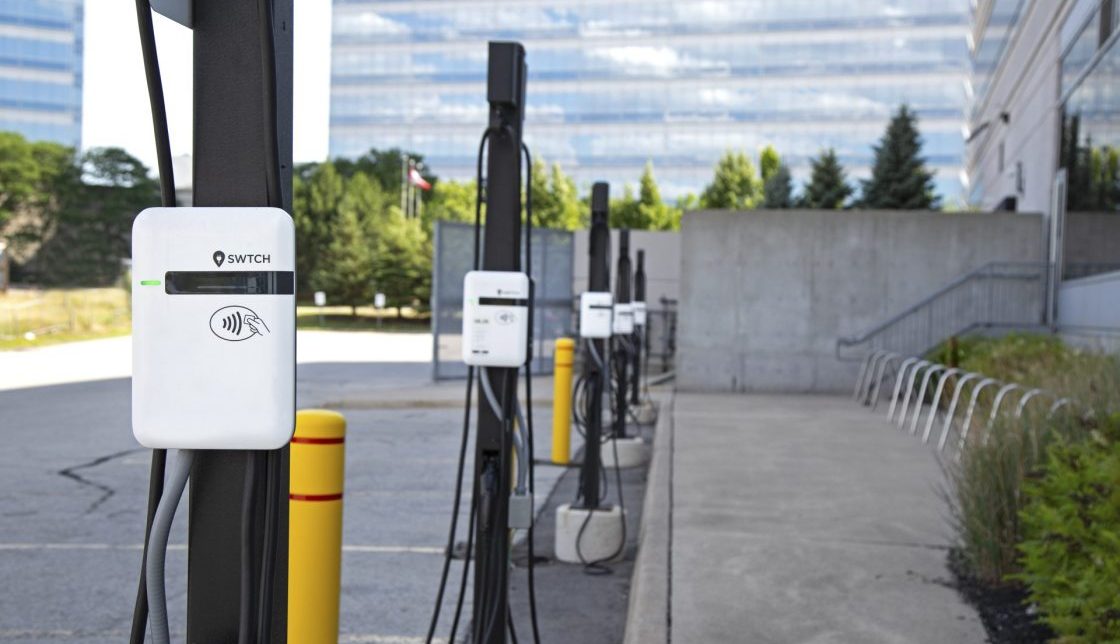
Keep chargers running worry-free with SWTCH Care+
The Road Forward
The era of checkbox charging needs to end. EV adoption is hitting mass-market levels, and the guests arriving at your property are no longer nearly adopters willing to forgive glitchy tech and a subpar experience. Today’s EVs are carrying families, business travelers, and fleet drivers who expect onsite chargers to work as reliably as the lights in their room.
If you want to compete on the basis of EV charging—and it’s increasingly a necessity that you do—you need to install enough chargers to ensure EV drivers can use them when they need to.
Properties that treat charging as important infrastructure rather than a simple amenity will do a far better job of capturing EV drivers’ loyalty. Those who treat it as a checkbox will find that a broken promise is much more expensive than a thoughtful investment.
Ready to build your property’s next big advantage?
Contact SWTCH today to install EV charging the right way.

Written by
Rob Côté
Marketing Communications Manager, SWTCH