Index
How Porta Bella and CJ Development Group Partnered to Retrofit a Decades-Old Community for the EV Era
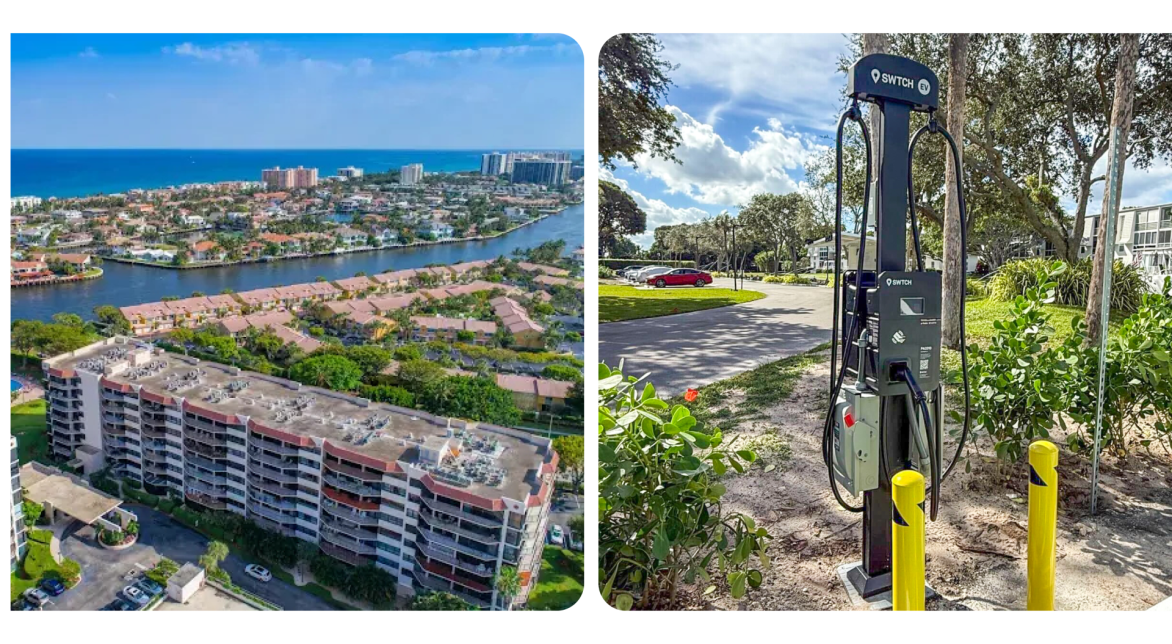
When Porta Bella—a multi-building waterfront residential complex constructed in the 1970s and 1980s—faced growing resident demand for EV charging, property management needed more than a few charging stations. They needed a unified solution across three separate buildings, each with different electrical capacities and physical layouts.
But retrofitting decades-old buildings with modern EV charging infrastructure is a complex challenge that requires planning, careful capacity management, and the right technology partner.
Here’s how Porta Bella worked with CJ Development Group and SWTCH to deliver a seamless deployment that met immediate demand while positioning the property for long-term EV growth.
Quick Summary
- Porta Bella successfully retrofitted its entire property with EV charging infrastructure despite the buildings predating modern electrical standards.
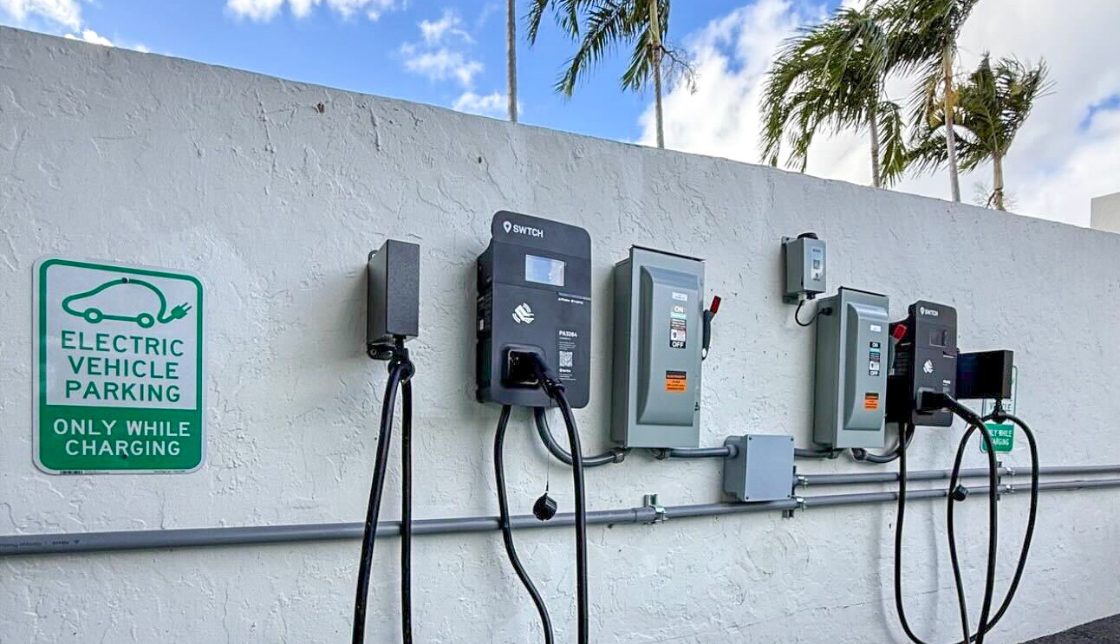
- The project utilized thorough electrical assessments, targeted electrical improvements, and SWTCH’s smart load management technology to create a unified charging network inclusive of eight ports across the three buildings at the property.
- By treating the installation as one integrated system rather than three separate projects, Porta Bella delivered consistent resident access, simplified operations, and scalable infrastructure ready for future growth.
Background: A Waterfront Community Built Before the EV Boom
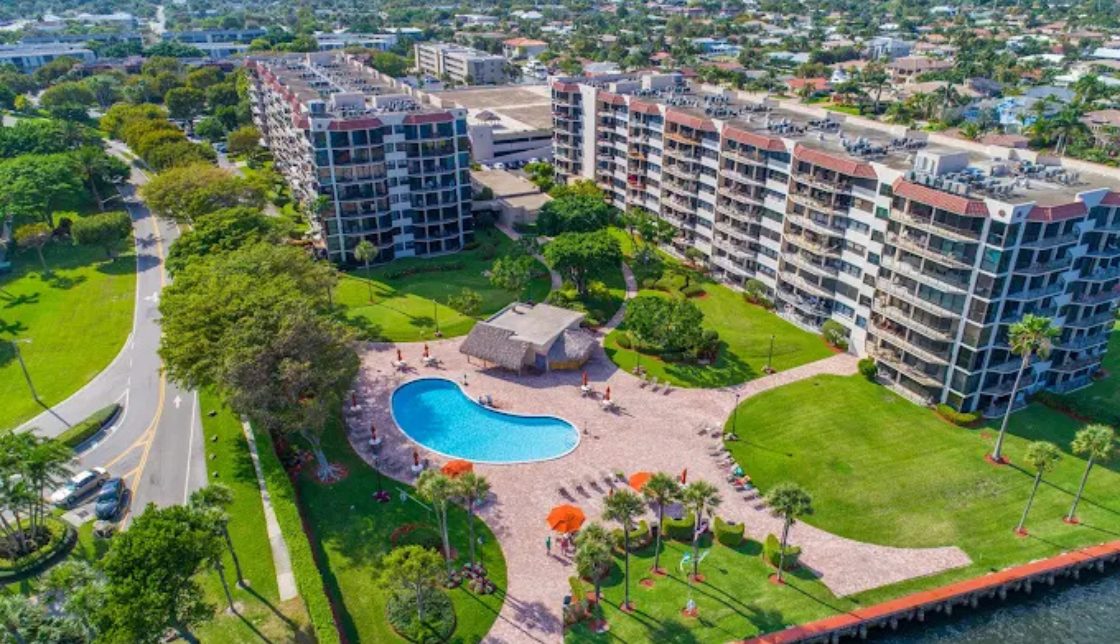
Porta Bella is a distinctive residential community comprised of three separate structures—the South, East, and West buildings. Constructed between the 1970s and 1980s, the complex was designed decades before electric vehicles were a consideration.
As the EV market matured, property management recognized that installing chargers was essential to maintain Porta Bella’s competitive positioning. However, the physical layout presented a unique hurdle: the solution had to bridge three distinct buildings, each with its own aging power distribution system and physical constraints.
The Challenge: Balancing Infrastructure Limits with High Demand
The primary challenge was technical inconsistency. Because the buildings were not designed with EV loads in mind, the engineering team faced three different sets of electrical limitations. A “cookie-cutter” installation wasn’t possible; each building required a bespoke capacity assessment to ensure safety.
Simultaneously, Christian Pena, Principal at CJ Development Group, said the property faced high demand from residents.
“A big surprise for me at Porta Bella was how much resident interest there was even before we began the project. I had tenants coming up to me constantly, asking when EV chargers were coming… That level of enthusiasm isn’t something you see everywhere, and it told me right away that this community was ready for the upgrade.”
This enthusiasm meant the property could not afford a phased approach that left some buildings waiting. They needed a solution that provided equitable access and a consistent user experience across the entire campus immediately.
The Solution: Engineering a Unified Network
CJ Development Group and Porta Bella moved away from treating the buildings as separate projects. Instead, they engineered a single, manageable network that connected all three structures.
1. Assessment and Upgrades
The project began with deep-dive electrical assessments to map existing capacity. These findings informed targeted electrical upgrades, ensuring a solid foundation for the new network without the need for cost-prohibitive, full-scale electrical overhauls.
2. Integrating SWTCH’s load management technology
To bridge the gap between the buildings’ vintage electrical capacity and modern power demands, the team selected SWTCH as their technology partner.
“We chose SWTCH… because their platform works exceptionally well in multi-building environments. Their smart load technology helped us maximize existing infrastructure, and their software gives the property full visibility and control over usage and billing,” Christian said.
SWTCH’s smart load management was the key to pulling this project off. Rather than dedicating a static level of power to every charger—which would have quickly overloaded the 1970s-era circuits—the platform intelligently shares power across connected chargers based on real-time demand. This ensured that no single building’s electrical system was ever stressed beyond safe operating parameters.
3. Centralized Operations
Beyond the wires and conduits, the solution solved the operational headache of managing three buildings. SWTCH provided a single dashboard for property staff to monitor usage, automate resident billing, and track system health across the South, East, and West buildings simultaneously.
Outcomes: Operational Simplicity and Resident Satisfaction
The transition from engineering to active use was seamless. Residents who had been clamoring for chargers now had access to eight and could plug in immediately, eliminating the need to rely on public charging stations.
As Christian said, “Residents started using the chargers immediately, and the management team appreciated how seamless the process was from engineering to commissioning.”
For property management, the “unified network” approach paid off. Instead of juggling disparate systems or fielding complaints about inconsistent access between buildings, they gained a set-it-and-forget-it amenity.
Most importantly, the infrastructure is scalable for future growth. By relying on smart load management rather than static capacity, Porta Bella can likely reduce the need for major electrical upgrades.
Key Takeaways for Multi-Building Properties
- Audit Before You Build: Start with a complete electrical assessment. You cannot design a safe solution without understanding the unique constraints of each building’s vintage infrastructure.
- Think “Campus,” Not “Building”: Treating multi-building properties as a unified system delivers a better resident experience and simplifies back-end operations.
- Software Saves Hardware Costs: Smart load management allows you to scale EV charging on aging infrastructure, avoiding expensive electrical service upgrades.
- Demand is Likely Higher Than You Think: Design robust systems from day one. Underestimating demand often leads to rapid, disruptive expansion projects shortly after launch.
Ready to Retrofit Your Property?
If your property faces similar challenges—aging infrastructure, multiple buildings with different electrical systems, or growing resident demand—Porta Bella proves that comprehensive solutions are achievable.
Contact SWTCH today to learn how smart load management can transform your property for the electric vehicle era.

Written by
Rob Côté
Marketing Communications Manager, SWTCH